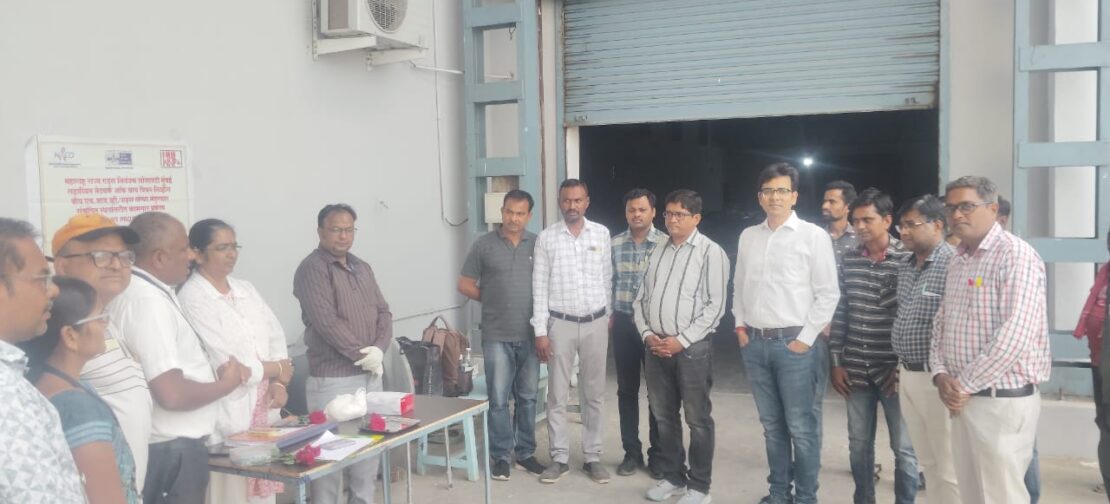
In the complex fight against HIV/AIDS, prevention is just as important as care. One of the lesser-seen, yet most impactful aspects of this battle lies in the streets, transport hubs, and temporary settlements where high-risk groups live and work. This is where Network of by People Living with HIV/AIDS, Sanstha Nandurbar carries out its critical Targeted Intervention (TI) programs — meeting people where they are, sometimes literally, with knowledge, testing, and support.
Since 2022, the organization has expanded its TI efforts to migrant populations in Dhule district, with support from MSACS Mumbai under the National AIDS Control Program. These efforts focus on reaching some of the most vulnerable and often invisible communities — migrant workers, MSM (men who have sex with men), female sex workers (FSW), transgender individuals, and truckers — groups that are statistically more at risk for HIV infection due to limited access to healthcare, unstable living conditions, and social stigma.
The goal of these interventions is straightforward but powerful: prevent new HIV infections and link those affected to proper care and treatment. This starts with awareness — through Behavior Change Communication (BCC), regular STI screenings, HIV and syphilis testing, and individual counseling sessions. These services are not one-time events; they are consistent, repeated engagements designed to build trust and familiarity.
Many members of these high-risk groups don’t seek help on their own. There is fear, shame, or simply a lack of information. Sanstha Nandurbar bridges this gap with culturally sensitive outreach, offering free condom distribution, de-addiction awareness, and most importantly — a non-judgmental space where individuals feel respected and heard.
A key strength of the organization lies in its efforts to create an enabling environment for the communities it works with. Through collaboration with hospitals, ART centers, local leaders, and even families, they aim to build a support system that goes beyond the individual. They also address structural barriers — helping people access government schemes, obtain ID documents, and get financial support to build self-reliance.
The outreach team also works to reduce harmful behavior by encouraging safe practices and connecting individuals to long-term solutions. Whether it’s a transgender woman hesitant to visit a hospital or a migrant worker unaware of STI symptoms, the goal is to not just educate — but empower.
The TI program also emphasizes the importance of strategic information systems. Regular data collection, follow-ups, and progress tracking allow the organization to adapt quickly and improve the effectiveness of their outreach. But while numbers help shape direction, it’s the human stories that define the mission.
A sex worker who now regularly visits the ART center. A young man who overcame addiction through repeated counseling. A migrant worker who brings his friends along for testing after his own life was saved. These aren’t just program results — they’re transformations.
Sanstha Nandurbar doesn’t stop at health. Many in high-risk groups also face financial hardship, violence, and housing instability. That’s why the organization links individuals to social protection schemes, such as housing, pension support, and ration cards. It’s not just about stopping the virus — it’s about giving people the tools to rebuild their lives.
The team also recognizes the emotional toll of living with HIV or being part of a marginalized group. Ongoing counseling and support groups offer a space for reflection, healing, and hope. These efforts, though quiet, often become the most life-changing.
By working with government bodies, healthcare institutions, and local NGOs, Sanstha Nandurbar ensures that no one falls through the cracks. Their TI programs show what’s possible when compassion meets consistency — when services are designed not just for statistics, but for people.
As the HIV epidemic continues to evolve, especially in underserved and mobile populations, organizations like Sanstha Nandurbar remind us that effective intervention isn’t about waiting for people to walk into clinics. It’s about going to them, listening, helping, and walking alongside them toward a healthier future.
And in every test administered, every rally organized, and every life touched — their message is clear: Everyone deserves care. Everyone deserves dignity.

